

Trends & Recipes

Trends & Recipes | Han Hai Yun Zhou
Trends and Recipes
From Our Kitchen & Culture

Trends & Recipes

Discover the stories, wellness wisdom, and creative recipes behind every Han Hai Yun Zhou product.

Editor's Picks

San Pao Tai
Tea Culture 8 min read

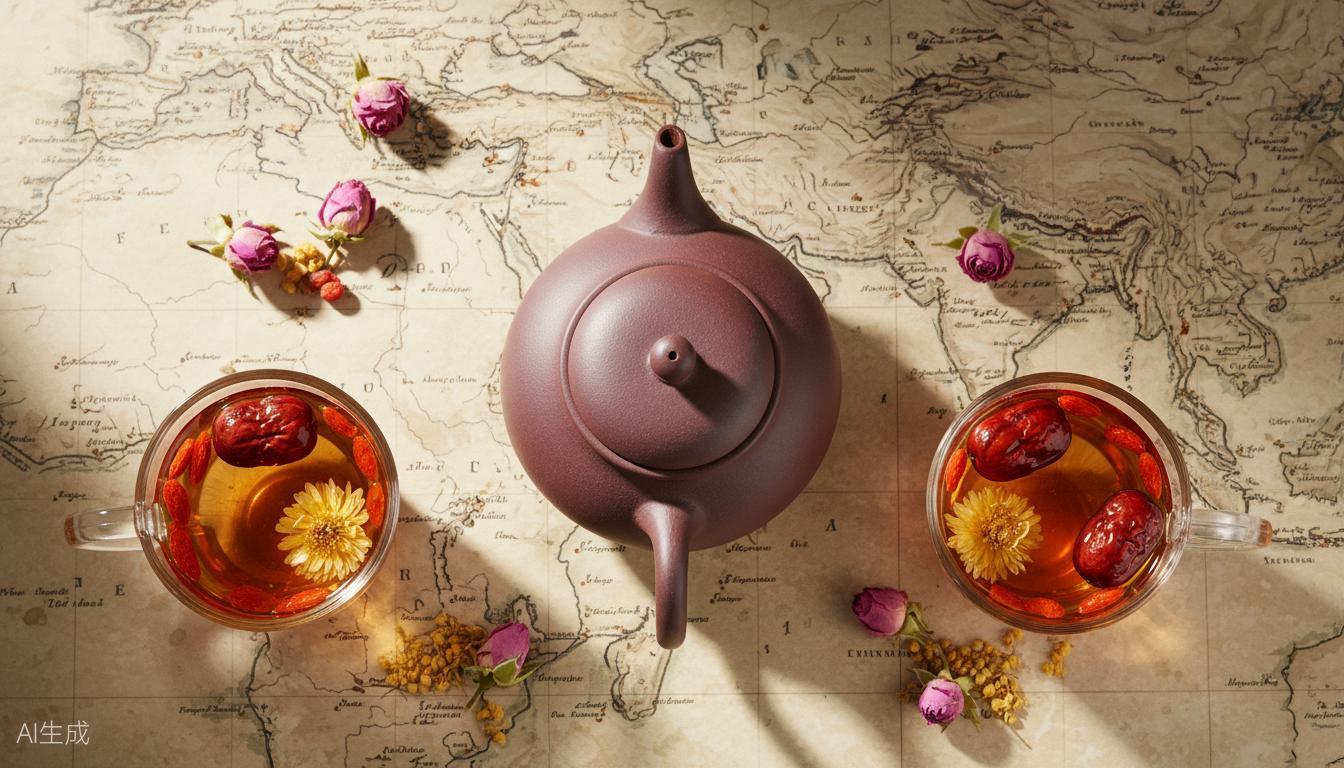
San Pao Tai: A Thousand Years of Silk Road Tea

Discover the ancient art of San Pao Tai — the iconic covered-bowl tea that has been a symbol of hospitality along the Silk Road for over a millennium.

Tiger Nut Recipes
Recipes 12 min read

Tiger Nut Superfood: 6 Creative Recipes

From tiger nut milk to energy balls, flour to smoothies — explore the endless culinary possibilities of this ancient superfood from the Xinjiang desert.

More to Explore

Snow Lotus
Wellness 6 min read

Tianshan Snow Lotus: Life on the Glacier

The legendary snow lotus grows only on glaciers above 4,000 meters, embodying the purest essence of Xinjiang's extreme environment.

Xinjiang Apricots
Ingredients 5 min read

Xinjiang Apricots: Sunshine in Every Bite

Why Xinjiang apricots are considered the finest in the world — the story of sun, soil, and centuries of cultivation.

Tea Horse Road
Culture 10 min read

Tea Horse Memories of the Silk Road

Follow the ancient tea routes that connected Xinjiang to Central Asia, Europe, and beyond — a journey of flavor and culture.

Raisin Journey
Traceability 7 min read

From Desert to Table: A Raisin's Journey

Trace the path of a single raisin from a Turpan vineyard through our processing facility to your home.

San Pao Tai

San Pao Tai: A Thousand Years of Silk Road Tea

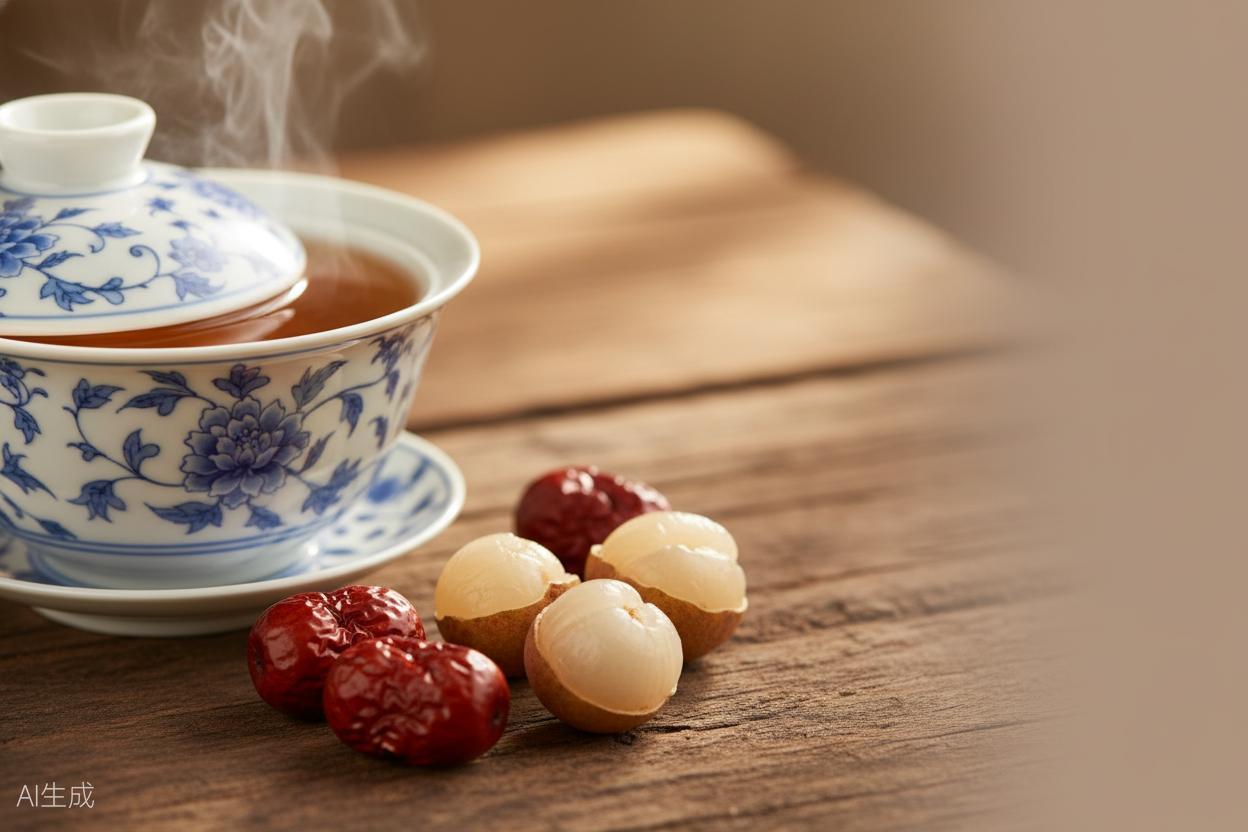
In the bustling tea houses of Lanzhou and the quiet courtyards of Xinjiang, there is a ritual that has remained unchanged for over a thousand years. It begins with a delicate porcelain gaiwan — the covered bowl — and ends with a cup of San Pao Tai, the "three-course tea" that has been the symbol of Silk Road hospitality since the Tang Dynasty.

The Legend of Three Courses

The name "San Pao Tai" literally translates to "three soaked platforms," referring to the three distinct infusions that make up the complete experience. Each round reveals a different layer of flavor, from the initial sweetness of rock sugar and dried fruits to the complex depths of aged tea leaves.

"The first cup is for the guest, the second for the heart, and the third for the soul." — Old Silk Road proverb

The Traditional Recipe

🍵 Classic San Pao Tai

Spring green tea 5g Red dates (sliced) 3 pieces Goji berries 10 pieces Rock sugar 15g Dried longan 2 pieces Dried apricot 1 piece Chrysanthemum buds 3-5 Hot water 200ml

Method: Place all ingredients except tea in a gaiwan. Pour hot water (85°C) and steep for 2 minutes. Add tea leaves and steep for another minute. The tea can be re-infused 3-5 times — each round offers a different flavor profile.

Modern Variations

Today, San Pao Tai has evolved beyond its traditional form. In trendy teahouses across China, you'll find creative variations using our Kunlun Snow Chrysanthemum, Hotan Desert Rose, or even a caffeine-free version with just dried fruits and flowers. The essence remains the same — a warm welcome in a bowl.

💡 Pro Tip

For an authentic experience, use our Jinghe Red Goji and Kunlun Snow Chrysanthemum in your San Pao Tai. The combination of sweet goji and floral chrysanthemum creates a perfectly balanced cup that's both nourishing and delicious.

Tiger Nut Recipes

Tiger Nut Superfood: 6 Creative Recipes

Tiger nuts — known as you sha dou (油莎豆) in Chinese — are not actually nuts, but small tubers that grow beneath the desert sands of Xinjiang. Packed with fiber, healthy fats, and natural sweetness, these ancient superfoods have been cultivated for over 4,000 years and are now making a comeback in kitchens worldwide.

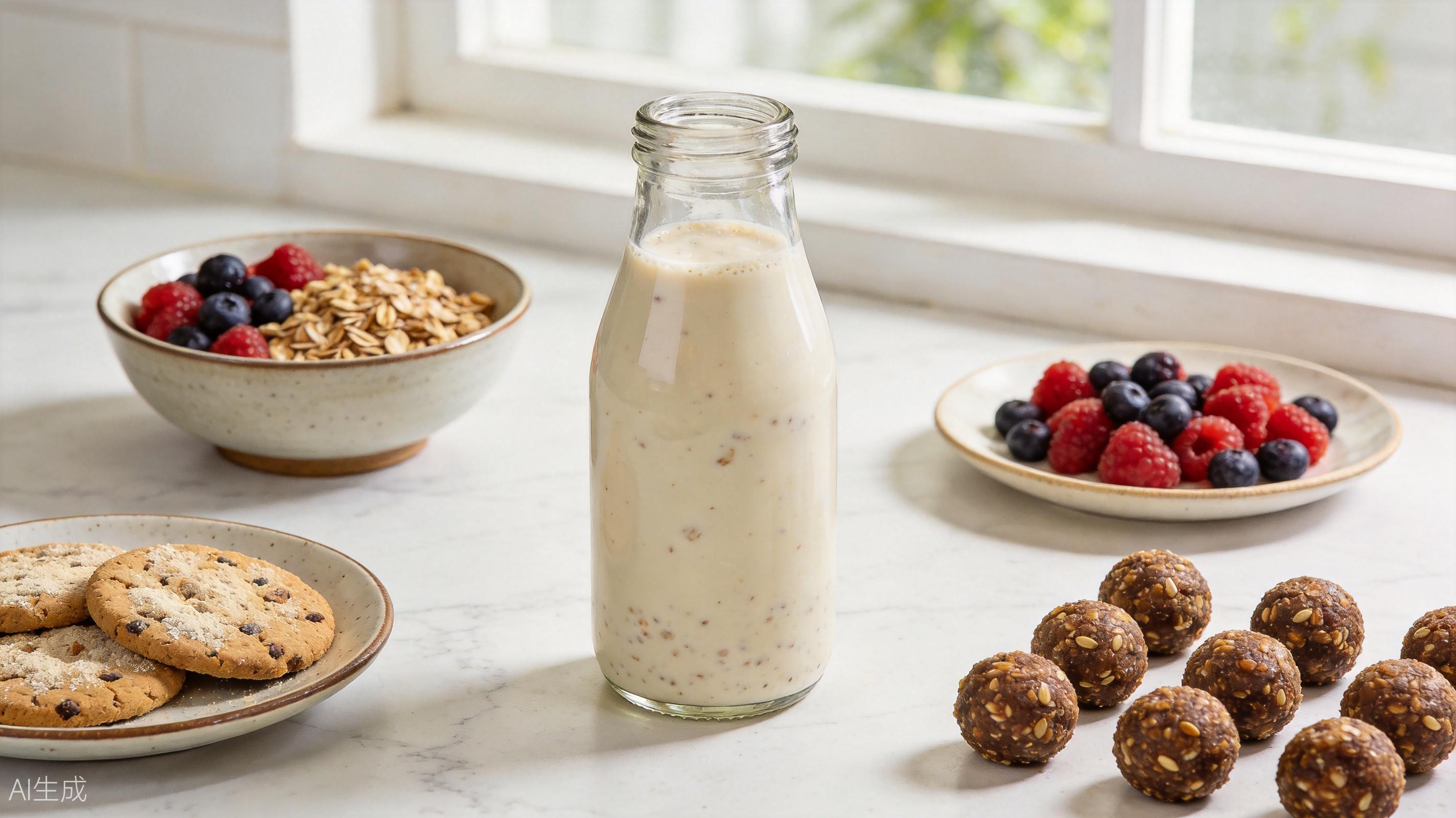
Recipe 1: Creamy Tiger Nut Milk (Horchata de Chufa)

🥛 The Original Plant Milk

Our Organic Tiger Nuts 200g Water 1L Cinnamon stick 1 Honey or dates to taste

Method: Soak tiger nuts in water overnight with cinnamon. Blend until smooth (2-3 minutes). Strain through a nut milk bag. Sweeten with honey or blend in 2-3 dates. Chill and serve over ice. The natural sweetness of tiger nuts means you need very little added sweetener.

Recipe 2: No-Bake Tiger Nut Energy Balls

⚡ Pre-Workout Fuel

Tiger nut flour 150g Medjool dates (pitted) 8 Almond butter 3 tbsp Cacao powder 1 tbsp Shredded coconut (for coating)

Method: Process all ingredients in a food processor until a dough forms. Roll into 12 balls. Coat in shredded coconut. Refrigerate for 30 minutes. Store in an airtight container for up to a week.

Recipe 3: Gluten-Free Tiger Nut Pancakes

🥞 Weekend Breakfast

Tiger nut flour 200g Baking powder 2 tsp Tiger nut milk 250ml Egg 1 (or flax egg) Coconut oil 1 tbsp Vanilla extract 1 tsp

Method: Whisk dry ingredients. Add wet ingredients and mix until just combined. Cook on a hot griddle (medium heat) for 2-3 minutes per side. Serve with our Sunshine Rose Raisins and a drizzle of honey.

Recipe 4: Tiger Nut Smoothie Bowl

🍓 Morning Ritual

Frozen banana 1 Tiger nut milk 150ml Tiger nut butter 1 tbsp Mixed berries ½ cup Toppings: goji, coconut flakes

Method: Blend all ingredients until thick and creamy. Pour into a bowl. Top with our Jinghe Red Goji, coconut flakes, and a handful of fresh berries.

Recipe 5: Crispy Tiger Nut Granola

🌾 Batch Prep

Rolled oats 300g Chopped tiger nuts 100g Coconut flakes 50g Maple syrup 60ml Coconut oil 40ml Cinnamon 1 tsp

Method: Mix all ingredients. Spread on a baking sheet. Bake at 150°C (300°F) for 25-30 minutes, stirring halfway. Cool completely before storing. Add our dried apricots or raisins after baking.

Recipe 6: Savory Tiger Nut Hummus

🥄 Unexpected Twist

Soaked tiger nuts 200g Tahini 3 tbsp Lemon juice 2 tbsp Garlic 1 clove Olive oil 2 tbsp Cumin ½ tsp Salt to taste

Method: Blend all ingredients until smooth and creamy. Adjust consistency with water or more olive oil. Serve with crudités or warm pita. A unique, nut-free alternative to traditional hummus.

💡 Why Tiger Nuts?

Tiger nuts contain more iron than red meat, more potassium than bananas, and more fiber than oats. They're naturally gluten-free, nut-free, and vegan — making them the perfect superfood for almost any diet.

Snow Lotus

Tianshan Snow Lotus: Life on the Glacier

At 4,000 meters above sea level, where oxygen is thin and temperatures rarely rise above freezing, a remarkable flower blooms. The Tianshan Snow Lotus (Saussurea involucrata) — known as xue lian (雪莲) in Chinese — is one of the rarest and most revered plants in traditional medicine, growing exclusively on the glaciers of the Tianshan mountain range.

The Plant of Immortals

In Chinese mythology, the Snow Lotus was believed to grow in the gardens of the Queen Mother of the West — a deity associated with immortality. While we can't promise eternal life, modern research has confirmed what ancient healers knew: this remarkable plant is rich in flavonoids, polysaccharides, and compounds with potent adaptogenic properties.

"The Snow Lotus does not compete with other flowers. It grows where nothing else can survive." — Traditional Uyghur saying

Our Snow Lotus Elixirs

We work directly with local harvesters in the Tianshan region to sustainably source Snow Lotus for our three signature elixirs:

  • Snow Lotus Turmeric Drink — Anti-inflammatory golden blend with organic turmeric and ginger
  • Snow Lotus Jujube Drink — Warming tonic with red dates and goji for daily vitality
  • Snow Lotus & Cistanche — Premium vitality blend with the rare "Desert Ginseng"

How to Enjoy

Our elixirs are ready to drink — simply chill and enjoy. For a warming winter ritual, gently heat (do not boil) and serve in your favorite mug. Add a slice of fresh ginger or a spoonful of honey for extra comfort.

💡 Wellness Ritual

Start your morning with a Snow Lotus elixir instead of coffee. The natural adaptogens help your body manage stress while providing sustained energy without the caffeine crash.

Xinjiang Apricots

Xinjiang Apricots: Sunshine in Every Bite

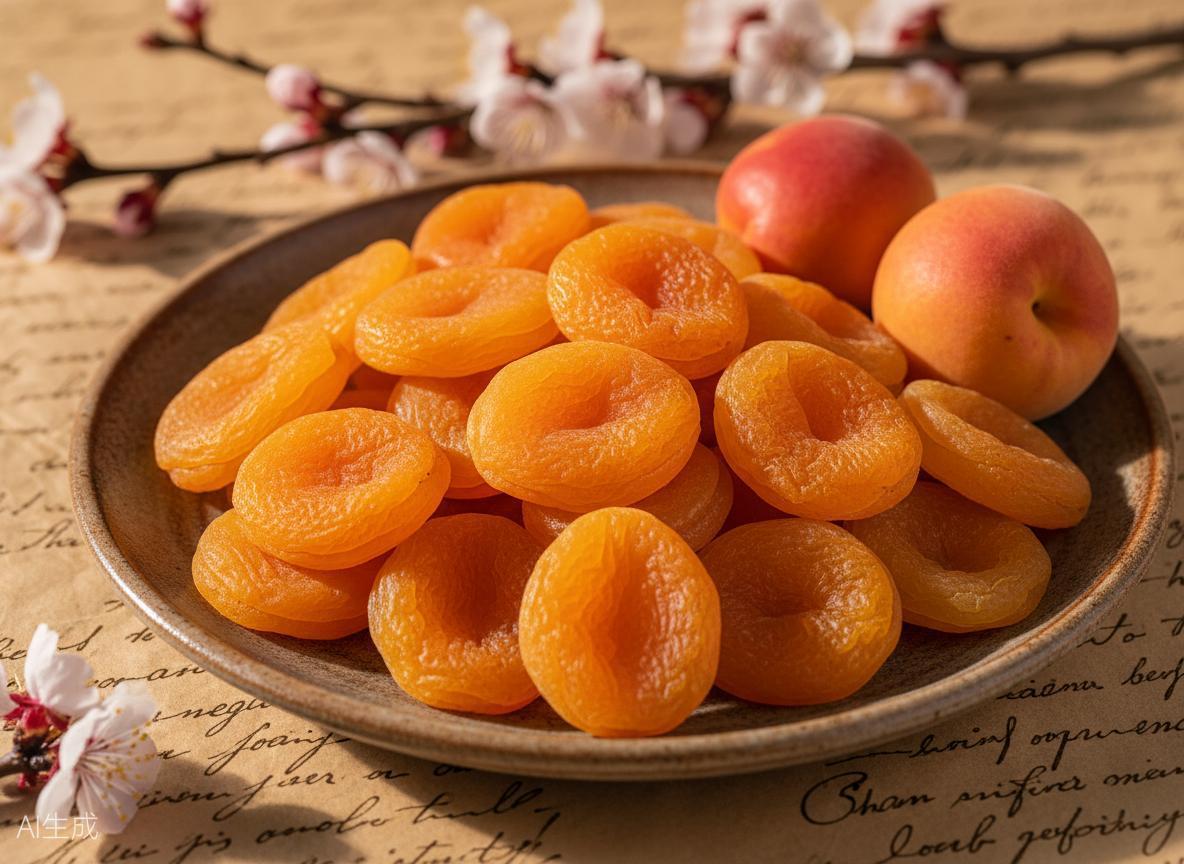
There is a saying in Xinjiang: "Turpan's grapes, Hami's melons, and Korla's apricots are the three treasures of the desert." But ask any local, and they'll tell you the apricots are the true crown jewel — small, golden fruits that concentrate an almost unbelievable amount of sweetness under the intense desert sun.

Why Xinjiang Apricots Are Different

Xinjiang receives over 3,000 hours of sunshine annually — nearly double that of California. Combined with the dramatic temperature swing between day (35°C+) and night (15°C), this creates ideal conditions for fruit development. The intense sun drives sugar production during the day, while cool nights preserve acidity, resulting in perfectly balanced, intensely flavored fruit.

From Tree to Dried Fruit

Our Little White Apricots are harvested at peak ripeness in June and July, then dried naturally under the desert sun — the same way families in Xinjiang have done for centuries. No sulfur, no additives, no artificial coloring. Just pure, concentrated sunshine.

Serving Suggestions

  • Breakfast: Chop and add to oatmeal or yogurt with walnuts
  • Salads: Pair with arugula, goat cheese, and a honey vinaigrette
  • Tagines: Add to Moroccan-style lamb or chicken dishes
  • Dessert: Simmer with cinnamon and orange zest for a simple compote
  • Tea pairing: Enjoy alongside our Hotan Desert Rose tea

💡 Storage Tip

Store your apricots in an airtight container in a cool, dark place. For extended freshness, refrigerate after opening. Properly stored, they'll maintain their flavor and texture for up to 12 months.

Tea Horse Road

Tea Horse Memories of the Silk Road

Long before the steam engine and container ships, there was the Tea Horse Road — a vast network of ancient trade routes that connected the tea-growing regions of southern China to the steppes of Central Asia, the bazaars of Persia, and eventually the courts of Europe. For over a thousand years, caravans of horses, camels, and yaks carried not just goods, but ideas, religions, and the seeds of cultural exchange.

The Northern Route Through Xinjiang

While the southern Tea Horse Road wound through the mountainous Tibetan plateau, the northern branch passed directly through Xinjiang — following the oasis towns that dotted the edge of the Taklamakan Desert. Kashgar, Turpan, Kuqa — these ancient cities were more than waystations. They were melting pots where Chinese tea culture met Central Asian hospitality, where Buddhist monks shared meditation techniques with Sufi mystics, and where the recipe for what would become San Pao Tai was first perfected.

"The camel bell rings a thousand miles, carrying tea to the Western Regions." — Tang Dynasty poem

Tea as Currency

In ancient times, tea was so valuable along these routes that it functioned as a form of currency. A horse might be traded for 120 pounds of tea. A good yak could fetch 80 pounds. The brick tea — compressed into dense, portable cakes — was the original energy bar for travelers, providing both hydration and sustenance in the harsh desert climate.

Modern Echoes

Today, you can still trace the ancient routes. In Kashgar's Old Town, tea houses serve three-course tea from gaiwans that haven't changed in centuries. In the Turpan vineyards, families dry grapes the same way their ancestors did — on bamboo racks under the desert sun. And in our own products, we honor this legacy by sourcing from the same regions, working with the same communities, and preserving the same traditions.

💡 Create Your Own Tea Ritual

Set aside 15 minutes each morning for a quiet tea ceremony. Use our Kunlun Snow Chrysanthemum or Hotan Desert Rose, brew in a glass cup so you can watch the flowers unfurl, and take three deep breaths before your first sip. A small moment of mindfulness to start your day.

Raisin Journey

From Desert to Table: A Raisin's Journey

It begins in Turpan — the lowest, hottest, and driest city in China. Here, in a basin that sits 154 meters below sea level, vineyards have thrived for over two thousand years, nourished by an ancient irrigation system called karez that channels glacial meltwater from the Tianshan Mountains underground.

Step 1: The Vineyard

Our partner vineyards lie on the southern edge of the Turpan Basin, where the soil is a unique mix of sandy loam and gravel. This mineral-rich terroir, combined with the extreme temperature differential between day and night, produces grapes with exceptionally concentrated sugars and complex flavor profiles.

Step 2: Harvest

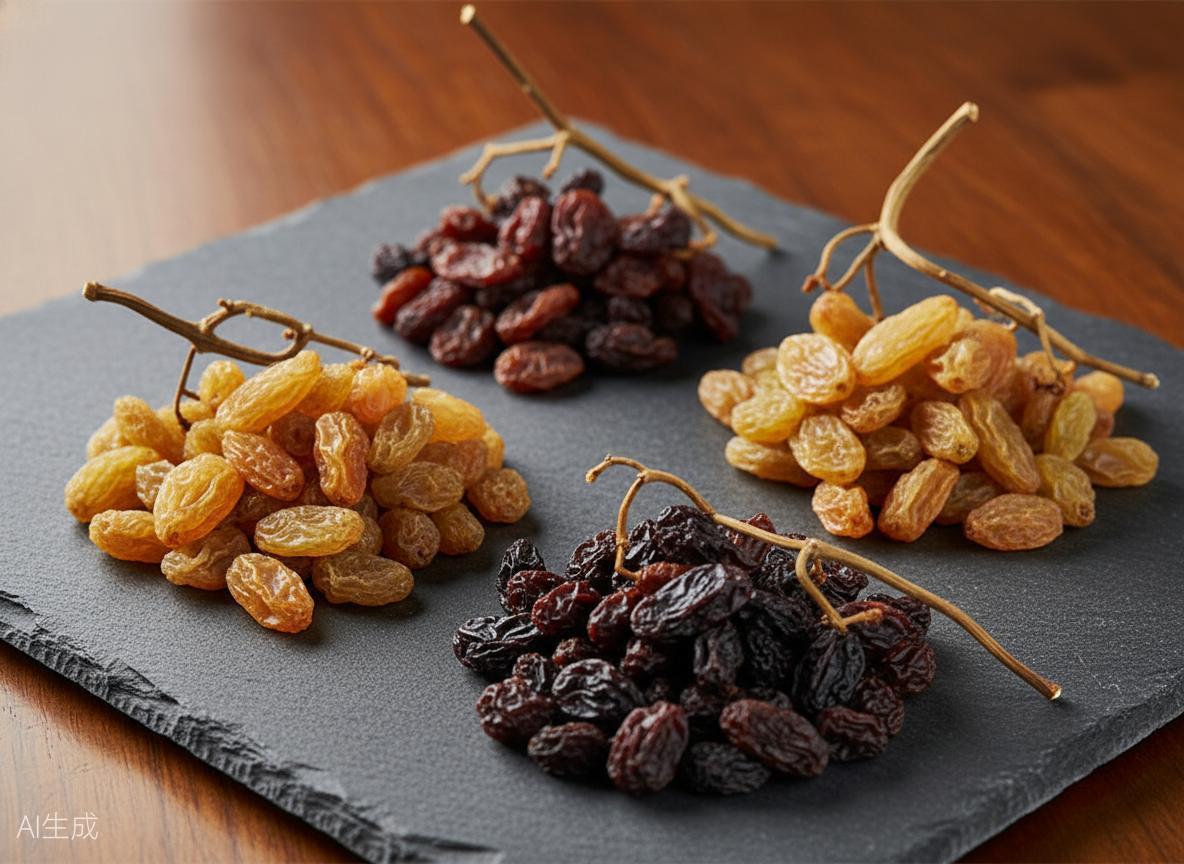
Grapes are hand-picked in late August and early September, when sugar levels reach their peak. Our Sunshine Rose Raisins come from the Muscat variety — small, seedless grapes with a distinctive floral aroma that intensifies during the drying process.

Step 3: Natural Sun-Drying

This is where the magic happens. Fresh grapes are laid on bamboo racks inside traditional drying houses — tall, brick structures with ventilation holes that allow hot desert air to circulate. Over 30-45 days, the grapes slowly dehydrate, concentrating their sugars and developing the complex caramel and honey notes that make Turpan raisins world-famous.

Step 4: Sorting & Selection

After drying, every batch goes through multiple rounds of hand-sorting. We select only the plumpest, most evenly colored raisins. Any that don't meet our standards are set aside for local markets — only the best make it to Han Hai Yun Zhou.

Step 5: Packaging

Our raisins are packed in food-grade, resealable pouches that protect them from moisture while maintaining freshness. No preservatives, no added sugar, no sulfur dioxide. Just pure, sun-dried grapes.

🥗 Simple Raisin Recipe: Morning Energy Bowl

Rolled oats ½ cup Our Sunshine Rose Raisins 2 tbsp Walnuts (chopped) 1 tbsp Cinnamon ¼ tsp Hot water or milk 1 cup Honey to taste

Method: Combine oats, raisins, walnuts, and cinnamon in a bowl. Pour hot liquid over and stir. Let stand 3 minutes. Drizzle with honey. A simple, nourishing breakfast that showcases the natural sweetness of our raisins.

💡 Why Traceability Matters

When you buy Han Hai Yun Zhou raisins, you're not just getting a snack — you're getting a piece of Turpan's agricultural heritage. Our direct relationships with growers ensure fair wages, sustainable practices, and the preservation of traditional drying methods that industrial agriculture has all but eliminated.